
Source: Michigan News
Donald Rencher
Donald Rencher
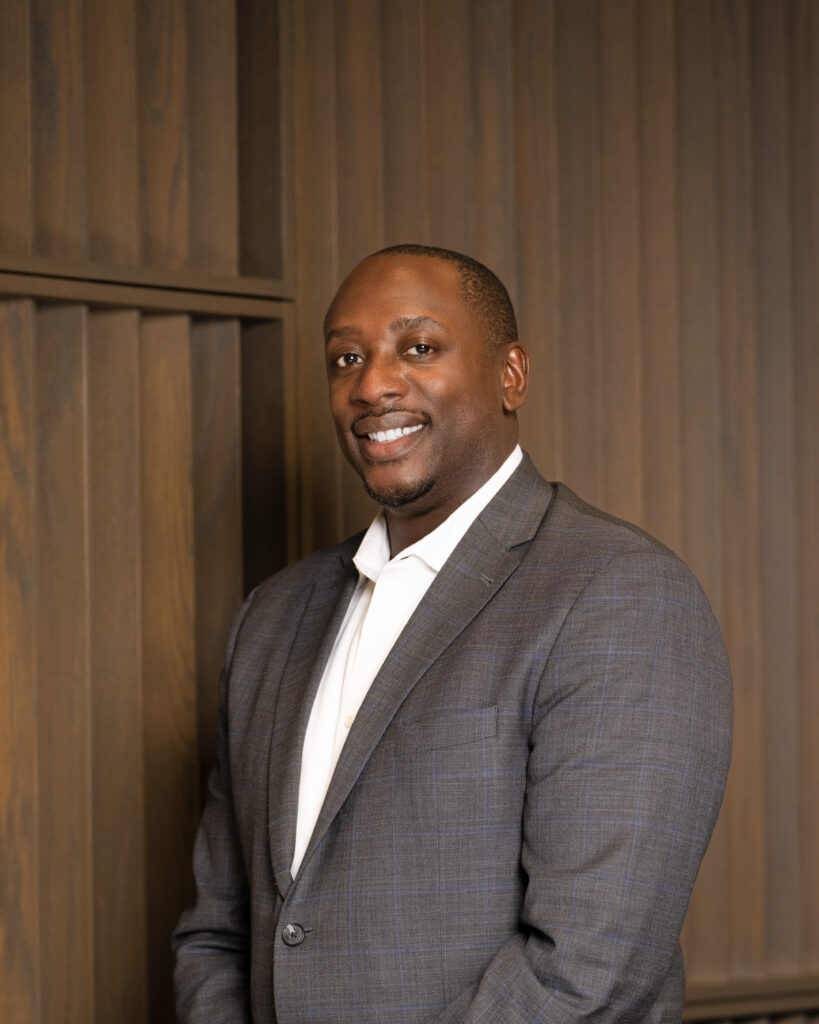
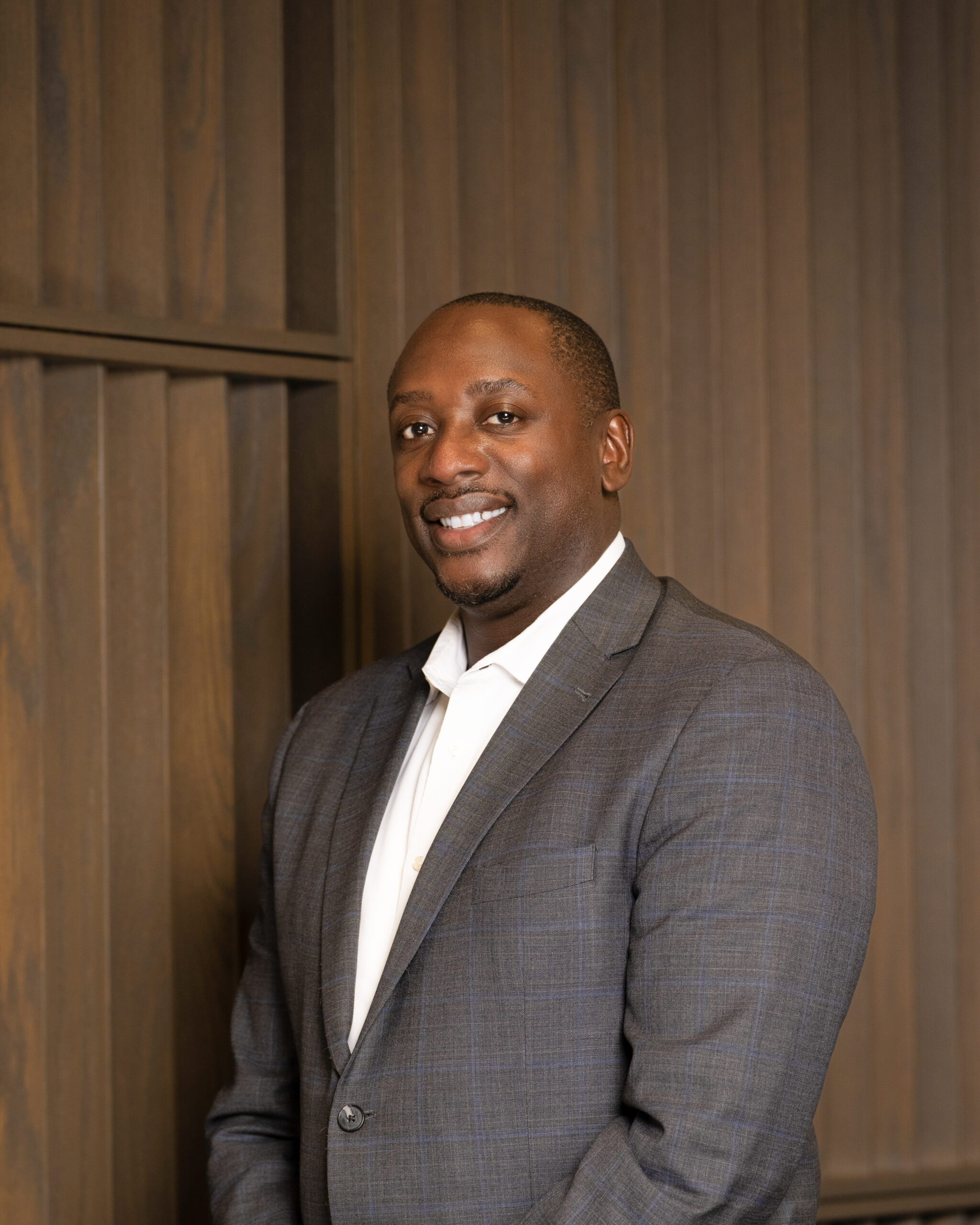
Donald Rencher, a University of Michigan alum and president and CEO of the Hudson-Webber Foundation, believes that the fruits of Detroit’s resurgence ought to be shared broadly.
The foundation has an essential role in connecting communities and institutions throughout the city, providing support, expanding access to homeownership, and helping Detroiters achieve their dreams.
Rencher, who previously served as the group executive of Housing, Planning and Development for the city of Detroit, shares his vision for housing solutions in the city.
What solutions do you see for housing and neighborhood development in the metro Detroit area?
There is no single solution to Detroit’s housing challenges. I am optimistic about the future and believe that an aligned regional economic development strategy across metro Detroit can benefit the city. The Hudson-Webber Foundation remains focused on targeted investments within Detroit. Meaningful progress will require a coordinated set of strategies that expand opportunity and ensure housing attainability across the income spectrum. Stable, high-quality housing is foundational to economic growth, neighborhood resilience and long-term community well-being.
The Hudson-Webber Foundation invests in policies and enables conditions that increase the supply of quality housing and expand access to homeownership. One example is our $20 million investment in a down payment assistance initiative in Detroit that helped hundreds of first-time homebuyers achieve homeownership. Many of these new homeowners were families of color. This program was not only equitable in design, but it also contributed to greater neighborhood stability across the city.
In addition, we have worked closely with the city of Detroit’s Housing Department to advance policies that provide tax incentives for developers who build affordable housing. We are proud of the role we played in establishing a $75 million low-interest loan fund to support affordable housing development. These efforts reflect our belief that development must be responsive to the income levels and lived realities of all residents.
Looking ahead, we see strong potential in strengthening public–private partnerships, supporting Community Development Organizations and improving the broader housing ecosystem. Together, these efforts can help create a more inclusive housing landscape that serves residents across the income spectrum.
This work requires comprehensive, place-based strategies that address multiple dimensions of housing and neighborhood vitality. That includes advancing structural property tax reform, investing in high-quality public spaces, increasing housing production and strengthening the small business ecosystem that supports neighborhood economies.
Finally, we invest in neighborhood planning strategies that align with major transformational investments. An example of this is the Joe Louis Greenway, an ambitious project that will connect more than 27 neighborhoods across Detroit. We are excited about the economic development and community-building opportunities this initiative presents, and we see it as a powerful model for linking housing, infrastructure and inclusive growth.
What are ways the Hudson-Webber foundation is contributing to this ongoing work of revitalization?
Detroit’s resurgence must be shared broadly, with meaningful opportunities for all Detroiters to participate in and benefit from the city’s growth. Strengthening neighborhood stability, improving quality of life and expanding equitable access to opportunity remain central priorities for the Hudson-Webber Foundation.
A core element of our approach is ensuring that nonprofits have the resources and long-term stability needed to serve communities effectively. A significant portion of our investments is intentionally directed toward strengthening nonprofit operational capacity. By supporting infrastructure, staffing and day-to-day operational needs, we allow our partners to focus on delivering lasting impact across Detroit’s neighborhoods and communities.
In addition, philanthropy has a unique ability to take on risk in ways that other sectors cannot. We leverage this flexibility to make investments in high-impact, early-stage, or innovative efforts that drive systems-level change and unlock additional public and private investment.
We also play an active role by cultivating cross-sector partnerships among nonprofit leaders, public agencies and the private sector. By bringing stakeholders together around shared goals, we help align strategies, accelerate progress and advance a more inclusive vision for Detroit’s future.
How did your experience at U-M inform your successes and career trajectory? Is there anything you learned at U-M that has been helpful in this, your first CEO position?
Without question, one of the greatest strengths of being a University of Michigan alumnus is the depth and reach of its network. I am reminded every day of the genuine connections and lasting relationships formed through our shared experience at such a prestigious institution. Those relationships have opened doors, created opportunities and provided trusted counsel throughout my career.
At its core, U-M instilled something even more enduring: a deep sense of pride and responsibility in what it means to be a Michigan Man. As Bo Schembechler famously said, being a Michigan Man signifies a commitment to excellence, integrity and humility, along with an understanding that success comes from putting the team first. “Team, Team, Team” is not just a slogan; it is a mindset that has guided how I lead and how I show up professionally.
Throughout my career, and especially in my first role as CEO, I have relied on those values. I strive to give my full effort, act with integrity and build strong, high-performing teams. The teams I have worked with, and continue to work with, are exceptional, and my ability to lead effectively is directly tied to the trust, collaboration and shared commitment we bring to the work.
Do you interact and engage with others on the Hudson-Webber Trustees with U-M connections such as Barbara McQuade, Matt Cullen and Stephen Henderson?
The Hudson-Webber Foundation is fortunate to have an extraordinary group of trustees who are proud Wolverines. Along with Barbara McQuade, Matt Cullen and Stephen Henderson, we also have Joe Parke and Meagan Dunn.
All of our trustees are deeply committed to Detroit’s success and to advancing the mission of the Hudson-Webber Foundation. Each has made substantial contributions to the city through their civic engagement and service. I engage regularly with all of our trustees, and my fellow Wolverines are no different.
What makes these relationships especially meaningful is their generosity of time and thought. Despite their demanding schedules, they always make space for conversation, reflection and honest dialogue. I value their perspectives and appreciate the role they play in shaping our strategy and strengthening our impact.
What inspires you about the foundation’s efforts and the individuals and communities it serves?
The people of Detroit inspire me most. Longtime residents, deeply invested in the city’s future who remain committed to building their lives, families and businesses here. Their resilience, pride, and determination continue to shape Detroit’s neighborhoods and drive its progress.
I am also inspired by the growing number of new Detroiters drawn to the city’s energy, creativity and sense of possibility. The opportunity before us is real, and it is one we are intentional about nurturing and continuing to invest in. Bringing together long-standing community members and new residents creates the potential for a more vibrant, inclusive and dynamic city.
On a personal level, Detroit is where I choose to raise my family, which makes this work especially meaningful to me. I am excited about the city’s future and motivated by the role that Hudson-Webber Foundation plays in ensuring that Detroit’s growth is inclusive, sustainable and shared by all who call it home.
What excites you about Detroit’s future?
Without a doubt, what gives me the greatest optimism are the people of Detroit. Detroiters are deeply passionate about their city and remain committed to strengthening it. The city has seen significant investments over the past several years that are truly transformational. What is especially encouraging is the growing alignment across sectors—philanthropy, government, business and community-based organizations—working together with a shared commitment to Detroit’s future. This cross-sector collaboration reflects deepened partnerships and a collective determination to ensure that Detroit and its residents thrive in this new chapter of the city’s governance and growth.